

Why Daniel Oliver treats every lap as a dataset
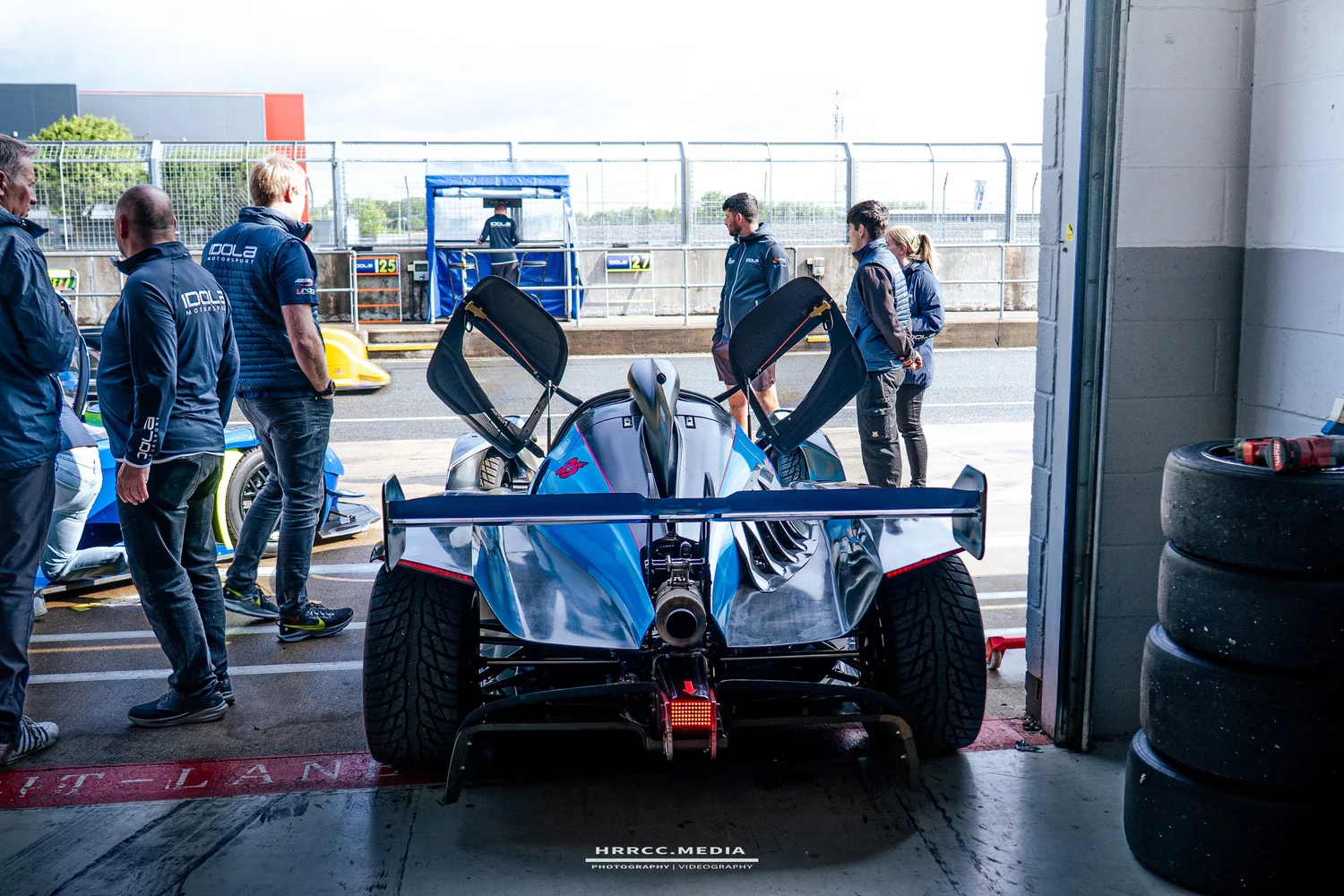
There’s a line Daniel Oliver keeps coming back to: every lap is a dataset, every mistake an experiment. It’s not a slogan — it’s how he actually thinks in the car.
A lap that feels fast and a lap that is fast are two different things, and the only honest way to tell them apart is the data. Braking points, throttle traces, minimum corner speeds, steering angle — the telemetry doesn’t care how heroic a corner felt. It just tells you where the time is. That’s liberating, because it turns a vague “be braver” into a specific, testable change: brake five metres later into Turn 3 and see what the trace says.
Mistakes get the same treatment. Instead of dwelling on a lock-up, Daniel asks what the experiment revealed. Too much front bias? Cold tyre? A reference point he trusted that wasn’t actually there? Every error is information, and information is free lap time if you’re willing to look at it honestly.
This is where the engineering background pays off. He’s comfortable living in a spreadsheet, comfortable being wrong on paper before being wrong on track, and comfortable letting the numbers overrule the ego. The sim is the perfect place to run those experiments cheaply — then the validated changes go to the real car.
Fast is a byproduct. The real target is understanding why you’re fast, so you can do it again on demand.